



Title of the Project: Outline the main goals and objectives of the grant in terms of addressing the identified water issue.
Project Implementation Period: 3 Years (01 August 2025 to 31 July 2028)
Name of donor: The Coca-Cola Foundation
Project Areas: Naogaon District: Niamatpur Upazila, Chapainawabganj District: Goastapur Upazila
Direct Project Beneficiaries: 96, 540 (persons)
Total Project budget: BDT Tk. 10,00,95,625
Project type and goal:
Outline the main goals and objectives of the grant in terms of addressing the identified water issue.
The main goal of the project is to ensure that poor and vulnerable people living in water-stressed areas have sustainable access to safe, reliable and affordable drinking water round the year.
To achieve this goal, the project will focus on the following key objectives:
• The project will be installed, repaired, renovated, and improved, including large and small-scale piped water supply, including submersible pumps operated by both electric and solar-powered systems and sanitation facilities to ensure sustainable access to safe drinking water. There will also be a pilot program to use ATM cards for paying for drinking water use in selected areas. The vulnerable people of the households, schools, and health centers will be benefited from these schemes.
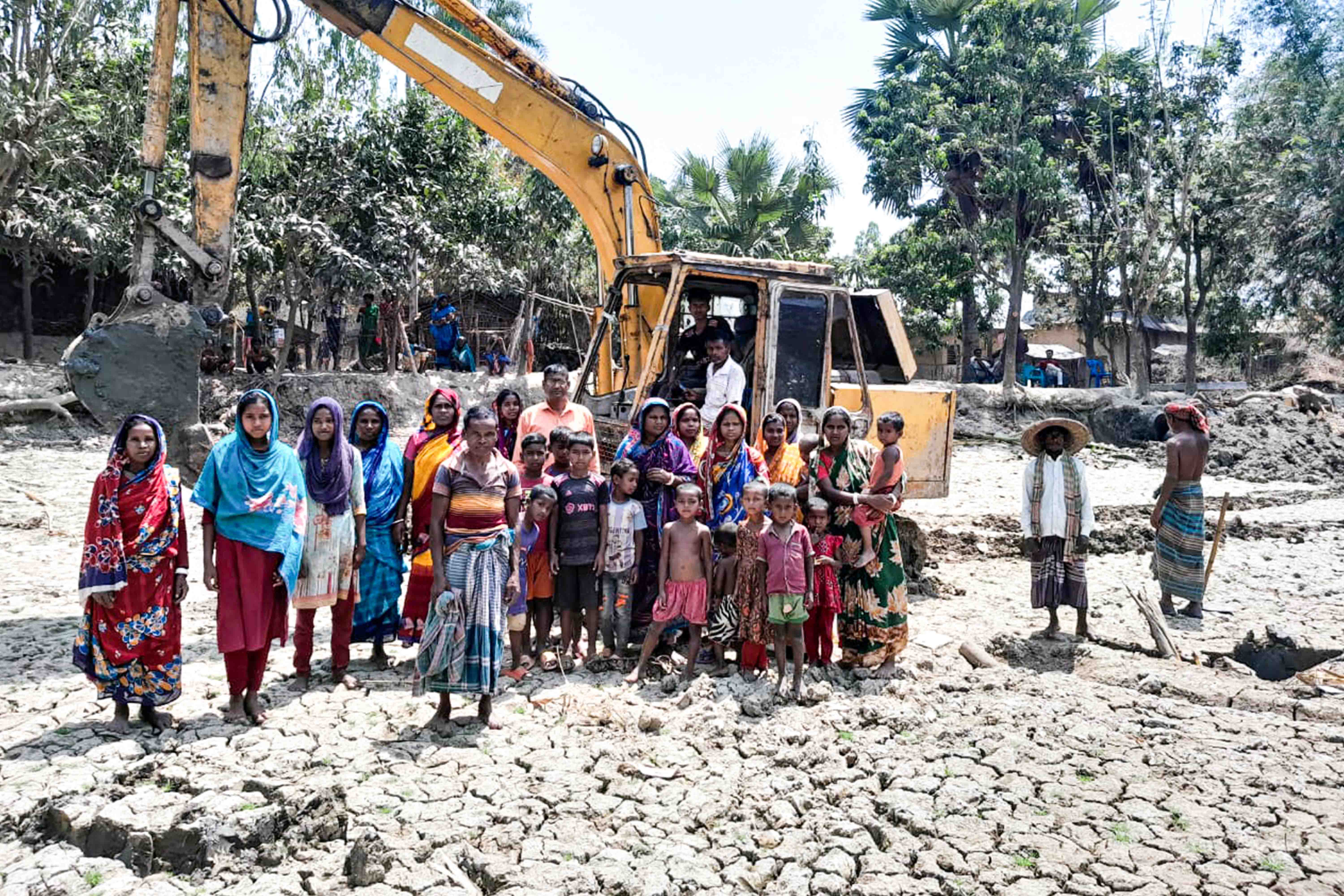
• The selected ponds will be re-excavated to retain rainwater/surface water to reduce the overuse of groundwater and recharge the aquifer. Water from the re-excavated pond will be used for bathing and other household purposes, reducing pressure on underground resources.
• Local people, especially Water Management Committees, Community Volunteers, user groups, caretakers, and representatives from the Union Parishad, will be trained and oriented for the operation and maintenance and management of the water and sanitation facilities.
• The project will promote health hygiene practices, such as handwashing and the collection, storage and use of safe water. Efforts will be made to ensure that women, poor families, and minority groups are involved and benefit equally.
The project will contribute to the development of a simple, low-cost, and community-led infrastructure for accessing safe water in water stressed Barind areas in Bangladesh, supporting national goals and the SDG 6.
Provide a detailed explanation of the main activities that are necessary for reaching your stated goals and objectives.
DASCOH Foundation will undertake several practical and community-based activities under this project to ensure access to safe and affordable drinking water for the poor and vulnerable people living in water-scarce Barind areas.
1. Installation and renovation of Safe Drinking Water supply and WASH Facilities
The project will install, repair, and renovate both large-scale and mini piped water supply systems, as well as submersible pumps utilising electric and renewable energy sources, such as solar-powered systems, and sanitation facilities. In selected areas, DASCOH will pilot a water point that allows users to access water through prepaid ATM cards.
2. Rainwater Harvesting and Groundwater Recharge
Rainwater harvesting systems will be installed at the household and community levels to collect and store rainwater, especially during the monsoon season. Selected ponds will be re-excavated to store rainwater and help recharge the aquifer. Stored pond water will be used for bathing and household purposes to reduce pressure on groundwater sources.
3. Hygiene Promotion and Behavior Change
The project will promote hygiene education through awareness sessions, meetings, and practical demonstrations. Communities will be encouraged to use safe water for drinking and handwashing systems will be installed where needed to improve public health and hygiene practices.
4. Capacity Building and Community Ownership
Water Management Committees (WMCs), caretakers, user groups, and representatives of the Union Parishad will be trained and oriented to manage and maintain the water supply and sanitation systems. The project will also encourage active participation from women and youth of the vulnerable households to make the water schemes more inclusive and sustainable.
5. Monitoring, Learning, and Sustainability
DASCOH will regularly check water quality and system functionality. Community feedback will be collected to improve service delivery. Union Parishads, WATSAN Committees, and stakeholders will be involved in planning and monitoring to ensure long-term impact